
Writing
奇怪 (qíguài) — how to say "strange" in Chinese
奇怪
Strange
adjective
Character composition
奇
strange, amazing
怪
strange
Radicals / Keys
大
Big
#37 · dà · 3 strokes
心
Heart
#61 · xīn · 4 strokes
Synonyms
Collocations
奇怪的人
qíguài de rén
strange person
奇怪的事
qíguài de shì
strange thing
Examples
他的行为今天有点奇怪,和平常不太一样。
His behavior is a bit strange today, not like usual.
这件事真奇怪。
This matter is really strange.
Mnemonic
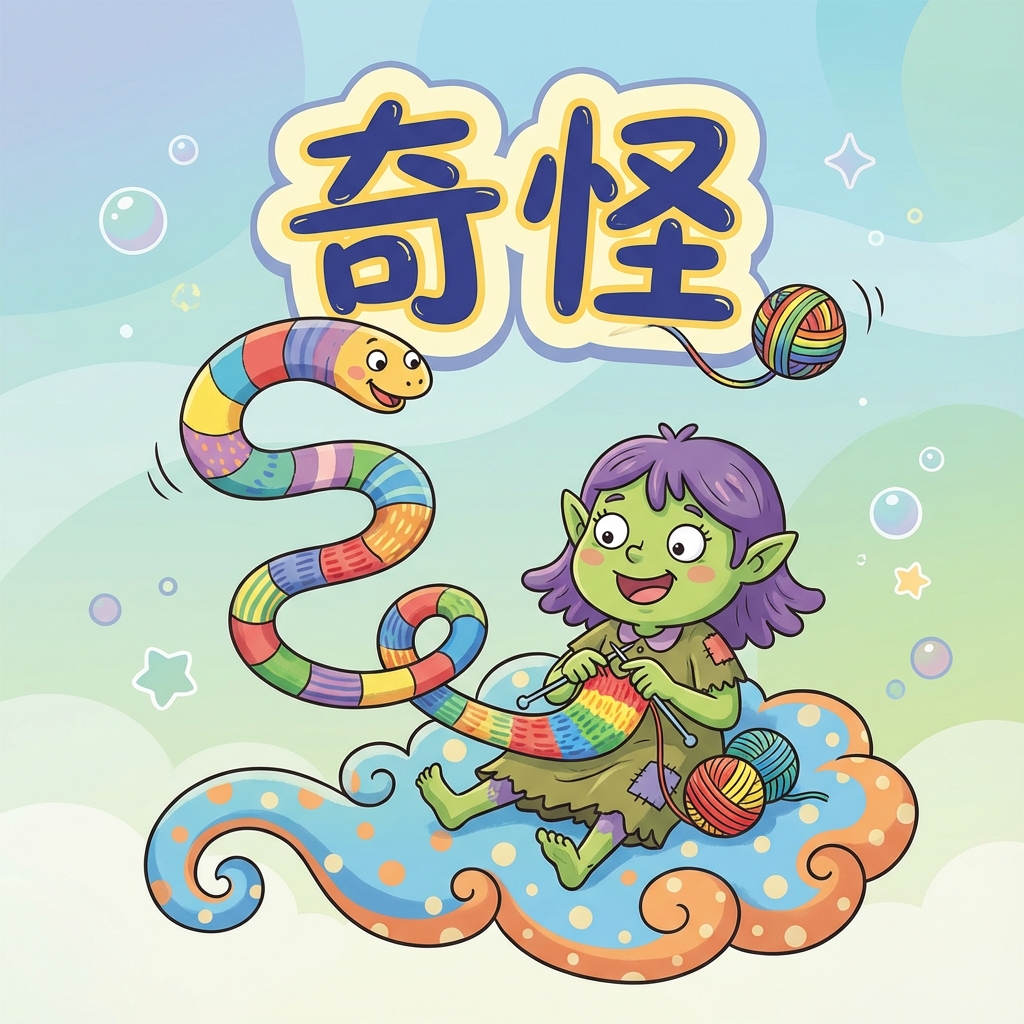
[qíguài-] Kiki the quokka is on a 奇怪 strange adventure through a world where everything is 奇 peculiar and 怪 odd. She encounters a 奇 enormous, talking mushroom 怪 wearing glasses, offering her a cup of tea in a floating teacup! 🍄☕
Frequently asked questions
How to say strange in Mandarin?
"strange" in Chinese is 奇怪 (qíguài).
奇怪 meaning in English
奇怪 (qíguài) means "Strange".
How is 奇怪 pronounced?
It is pronounced qíguài (written as qiguai). You can listen to the pronunciation on this page.
How do you write "strange" in Chinese characters?
It is written 奇怪: 奇 has 8 strokes, 怪 has 8 strokes. The Writing section above animates the stroke order of each character and lets you trace it.
What HSK level is 奇怪?
奇怪 belongs to the HSK 3 vocabulary list.
Tomyo
Learn Chinese words with spaced repetition
Add 奇怪 to your vocabulary and remember it with smart reviews, audio and examples.